
Your car might look clean after a wash — but that doesn’t always mean the paint is truly smooth. Over time, contaminants like brake dust, road tar, industrial fallout, and tree sap can stick to the clear coat and leave behind a rough, gritty texture.
That buildup doesn’t just affect shine. It can also prevent wax, sealants, or ceramic coatings from bonding properly, which means your paint may lose protection faster than it should.
So, What Is Clay Bar Treatment, and why do professional detailers recommend it for removing bonded contamination?
In this guide, we’ll break down what it does, how it works, and whether it’s actually worth adding to your detailing routine — especially if your paint still feels rough even after washing.
What Is Clay Bar Treatment?
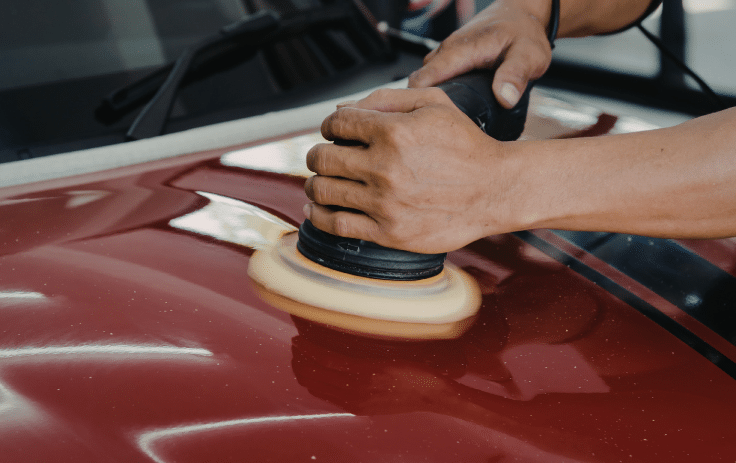
A clay bar treatment is an automotive detailing process designed to remove embedded contaminants that normal washing can’t eliminate. Over time, particles like brake dust, rail dust, tree sap, and industrial fallout can bond to your vehicle’s paint, glass, and metal surfaces, leaving them rough and dull.
The treatment works by gently gliding a specialized clay bar across a properly lubricated surface. This allows the clay to lift stuck-on contamination safely, leaving the paint smooth, clean, and ready for wax, sealants, or ceramic coating.
Benefits of Clay Bar Treatment

Clay bar treatment is one of the best ways to deep-clean your vehicle’s exterior beyond what a normal wash can achieve. Over time, contaminants like rail dust, brake dust, tree sap, tar, and industrial fallout can become embedded in the clear coat. These particles create a rough texture, reduce gloss, and interfere with paint protection.
By removing bonded contamination, clay bar treatment restores a cleaner surface and helps your paint look and feel significantly smoother.
Key Benefits of Clay Bar Treatment
Deep Surface Decontamination
A clay bar safely lifts stubborn particles that get stuck in the paint, including road grime, overspray, industrial fallout, and microscopic debris that washing leaves behind.
Smoother Paint Finish
After claying, the surface feels noticeably smoother to the touch — a sign that the clear coat is truly clean and free of bonded contaminants.
Improved Gloss and Clarity
Removing the dull layer of embedded contamination allows the paint to reflect light more evenly, helping the finish look brighter and more polished.
Better Bonding for Wax or Ceramic Coatings
Clay bar treatment creates a clean foundation for wax, paint sealants, or ceramic coatings. When protection is applied to a decontaminated surface, it can bond more effectively and last longer.
Helps Prevent Long-Term Paint Wear
Leaving contaminants in place can contribute to oxidation, staining, or surface deterioration over time. Regular decontamination helps protect the paint and maintain your vehicle’s appearance and value.
Safe When Done Correctly
When used with proper lubrication and technique, clay bar treatment is a non-abrasive process that is safe for paint, glass, chrome, and other exterior surfaces.
How Often Should You Clay Bar Your Car?

Most vehicles benefit from a clay bar treatment about once or twice per year, or anytime the paint still feels rough after washing. Since claying can remove existing wax or sealant, it’s best to reapply protection afterward for the best results.
How Do You Know If Your Car Needs Clay Bar Treatment?
A car may need a clay bar treatment when the paint no longer feels smooth, even after a proper wash. If the surface feels gritty or bumpy, it usually means bonded contaminants like brake dust, rail dust, or industrial fallout are embedded in the clear coat. One of the most reliable ways to check is the plastic bag test — gently sliding a thin plastic bag over the paint to detect rough contamination you may not feel with your bare hand.
Key Signs Your Car Needs a Clay Bar Treatment
Rough or Gritty Paint After Washing
If the paint still feels textured or uneven after washing, embedded debris is likely stuck to the surface.
Plastic Bag Test Feels Bumpy
Place your hand inside a clean plastic bag and lightly glide it over the paint. Any bumps or resistance usually indicate bonded contamination.
Paint Looks Dull or Hazy
When contaminants build up, they can reduce gloss and make the finish appear cloudy instead of clear and reflective.
Small Specks or Rust-Colored Spots
Tiny dark or orange-colored dots can be a sign of rail dust, brake dust, or other particles bonding to the clear coat.
Stubborn Tar or Water Spots That Won’t Wash Off
If certain spots remain after washing, claying may be needed to remove what’s stuck to the surface.
Before Wax, Sealant, or Ceramic Coating
Clay bar treatment is often recommended before applying protection, since waxes and coatings bond best to a smooth, decontaminated surface.
How Long Does Clay Bar Treatment Last?
A clay bar can last for several detailing sessions, often around 4 to 12 uses, depending on how dirty the paint is. A vehicle with heavy buildup may wear out the clay faster, while a cleaner car will allow it to last much longer.
Factors That Affect How Long a Clay Bar Lasts
Contamination Level
Paint with a lot of stuck-on grime, brake dust, or fallout will fill up the clay quickly. Cleaner surfaces require less work and extend its life.
Vehicle Size
Larger vehicles need more claying, which can shorten how long the clay bar lasts overall.
Driving Conditions and Environment
Cars exposed to industrial areas, heavy road grime, or harsh weather often need claying more often, which increases clay bar wear.
Is Clay Bar Treatment Worth It?
Yes — a clay bar treatment is absolutely worth it for removing stuck-on contaminants like sap, rail dust, and overspray that regular washing can’t remove. It leaves the paint smooth and clean, and it’s one of the best prep steps before applying wax, sealant, or ceramic coating. For most vehicles, doing a clay bar treatment about 2 to 4 times per year helps maintain better paint protection and a clearer finish.
Book Your Clay Bar Treatment Service Today
If your vehicle’s paint still feels rough after washing, a clay bar treatment may be the next step before applying wax, sealant, or ceramic coating. Having it done professionally helps ensure the surface is cleaned safely and properly prepared.
Archer’s Mobile Detailing can inspect your paint and perform clay bar treatment as part of a complete exterior detailing service. Call (254) 500-2468 or schedule your appointment online.
We proudly serve Leander, along with nearby areas including Cedar Park, Georgetown, Liberty Hill, Round Rock, Lago Vista, and Austin.
